
Stuber
“There’s a kid in pajamas looking for you.” That was how Stuber started — not as a service or a brand, but as a simple solution when people needed a way home.

Tinkering with Time, Tech, and Culture #34
A Petaluma Oral History
Long before a Hollywood movie turned the name into a punchline, Stuber was already a thing in Petaluma.
It wasn’t a brand.
It wasn’t a service.
It was a kid named Stuart, a minivan, and the unglamorous job of getting people home when the night had gone long.
Before the Name Meant Anything Else
Starting in 2013, the Reared in Steel yard in Petaluma became a gravity well. Welders, fire artists, Burners, musicians, friends-of-friends — the kind of place where nights stretched, sparks flew, and the line between party and project disappeared.
The very first time Stuber happened, it wasn’t a plan.
At one of the earliest Burning Man–related parties, Stuart had shown up simply to drive his parents home. Partway through the night, someone came up to me and said:
“There’s a kid in pajamas looking for you.”
I laughed and said, “Ah — that’s my Stuber.”
I walked out to the gate to fetch him, and a few people nearby overheard the exchange. They were asking about taxis, about rides, about how they were getting home. Without thinking too hard about it, I asked if they wanted my son Stuart to Stuber them.
That was the moment it started.
From that night on, when things ran late and people needed a way home, someone would shout it into the dark:
“Stuber’s here! Who needs a ride?”
The name stuck because it solved a problem.
The Original Stuber
Stuber was Stuart — my son — who grew up around the Reared in Steel crew. He never drank, smoked, or used drugs — which made him indispensable. When other people were celebrating, he was already thinking about logistics.
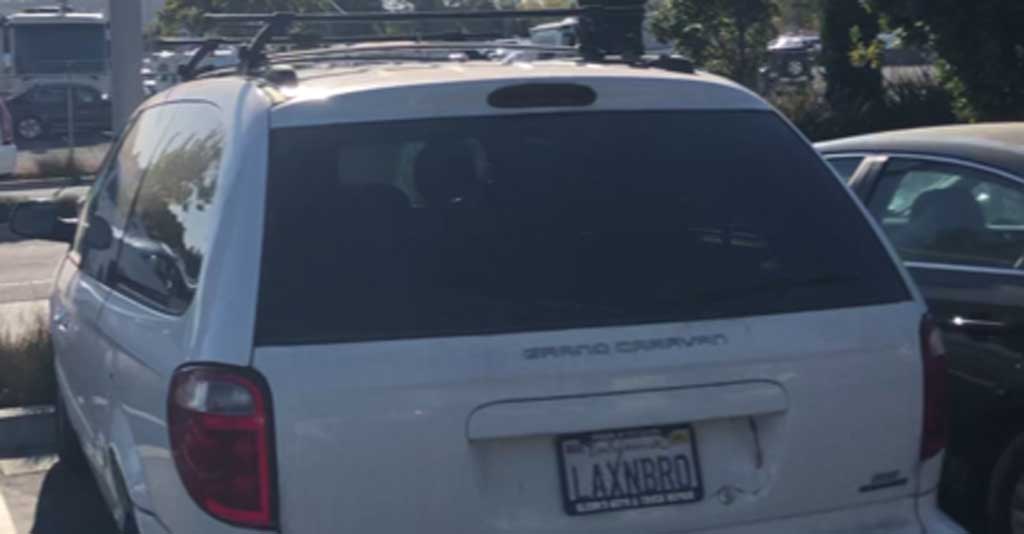
He drove a 2001 Dodge Grand Caravan, a true hand-me-down of a hand-me-down. My wife had driven it first. Then it went to his older brother, who added the LAXNBRO plate during his Sonoma Academy lacrosse years. By the time it reached Stuart, the van already carried history. If you saw that plate pull up, you didn’t ask questions. You just got in.
There was no app. No pricing. No judgment.
If someone insisted on giving him gas money or snacks, he’d shrug and accept it. That was the Burner way: gifting, not charging.
Stuber didn’t just operate at Burning Man or art parties. If his parents hosted a big gathering, if a group was heading downtown Petaluma, if someone’s car broke down near McNear’s or Dempsey’s — the same solution applied.
Stuber moved people. Quietly. Reliably.
Maintenance Is Part of the Job
Vehicles that carry people safely at night don’t survive on luck. They survive on care.
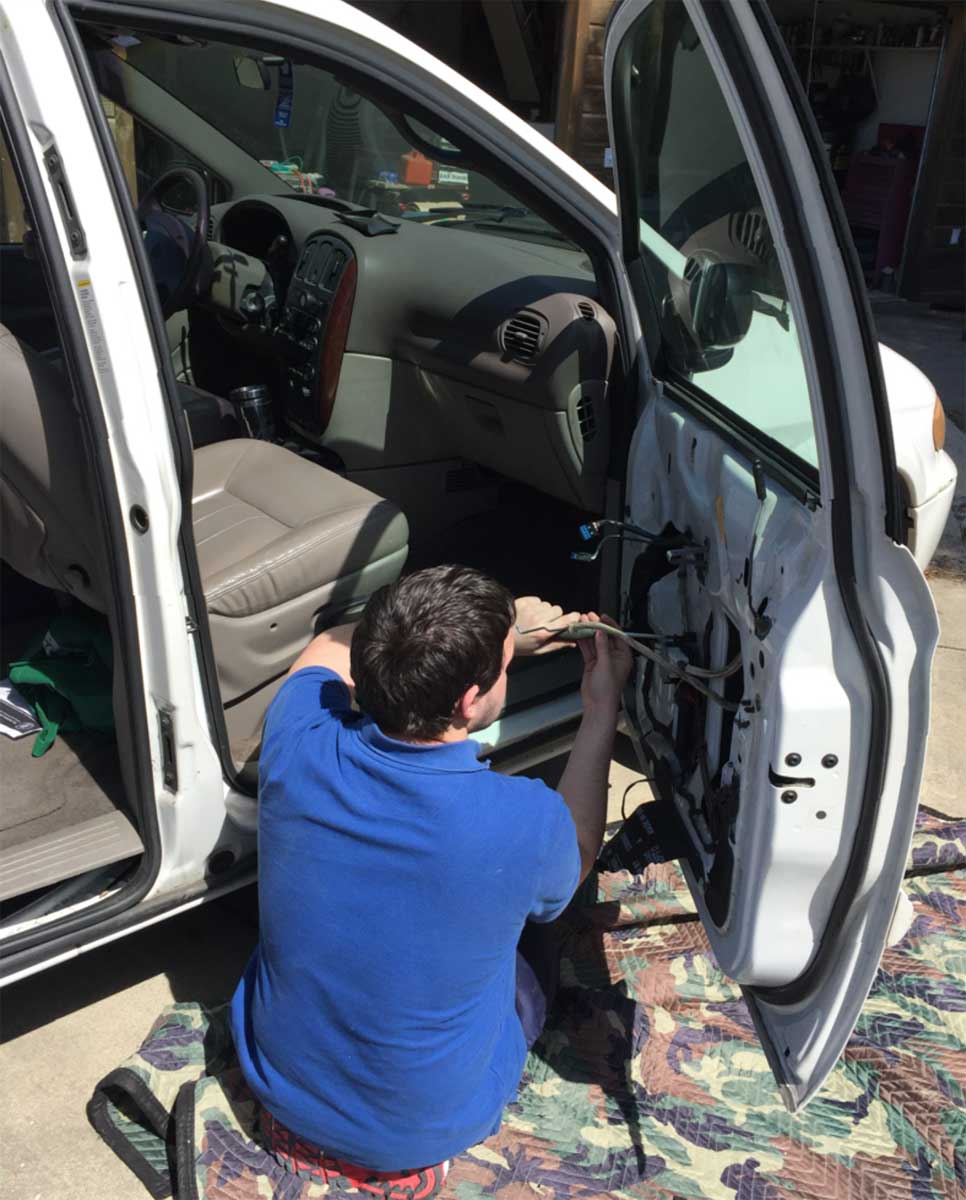
The van ran for years because Stuart kept it running — fixing doors, wiring, whatever broke next. It wasn’t glamorous, but it mattered. A broken latch at 2 a.m. is still a problem.
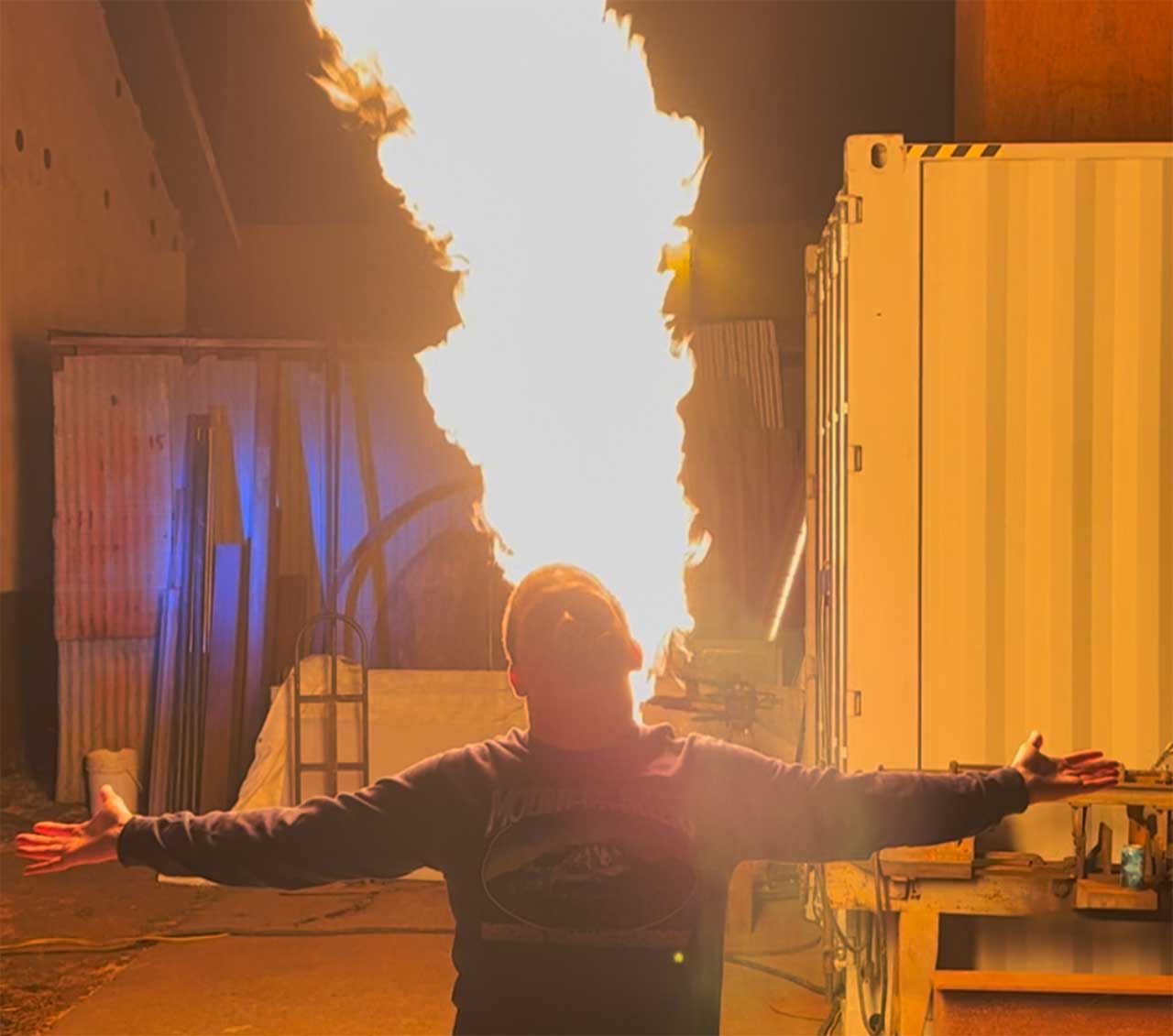
Fire, Steel, and Trust
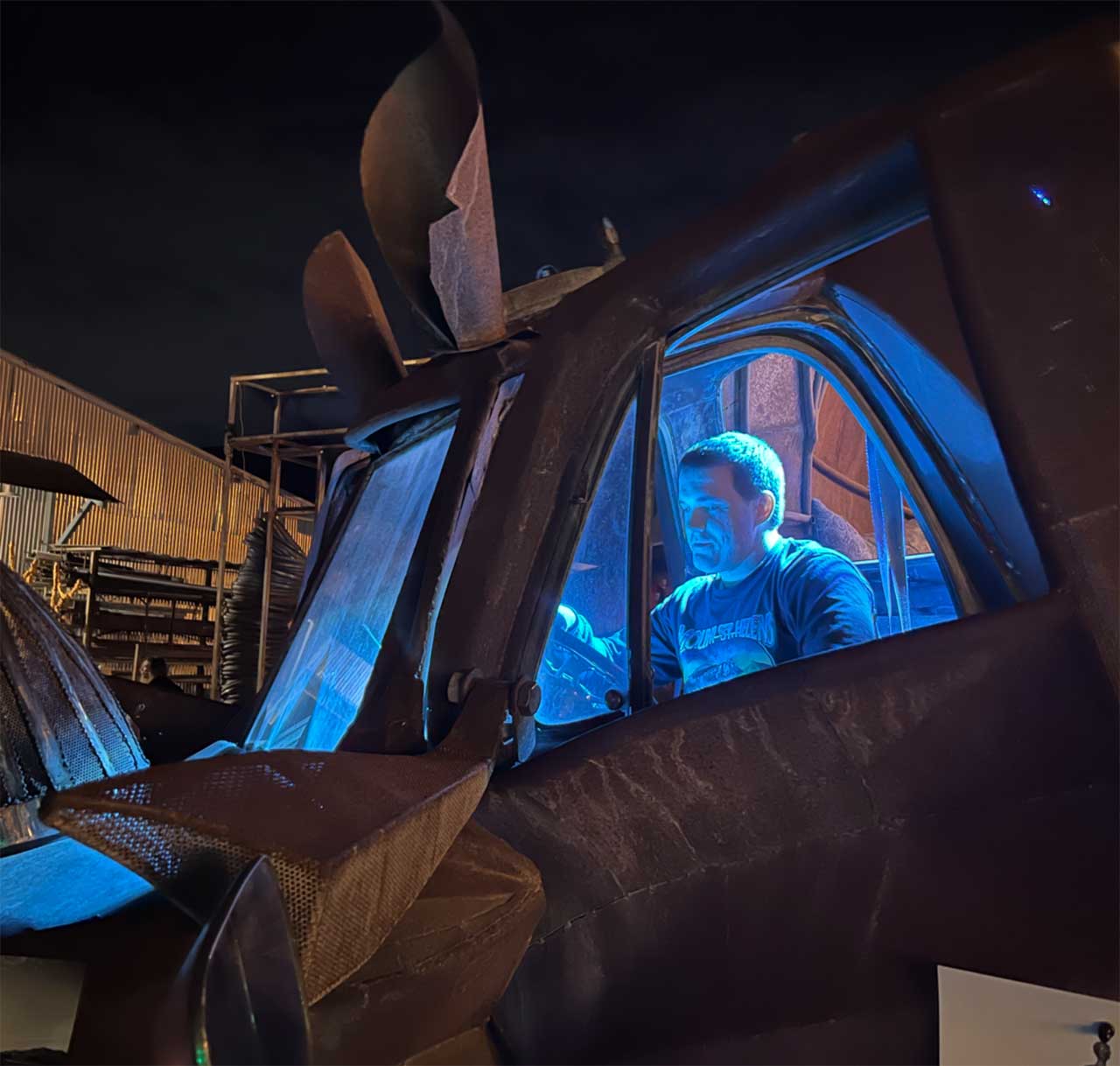
Sometimes, when the Rhino sculpture sat in the Reared in Steel yard, Stuart found himself in another familiar position: the driver’s seat.
The Rhino didn’t move without trust. Someone had to be steady, sober, and aware of the people around it. Different machine. Same role.
The Name Escapes
Somewhere along the way, visitors passed through those Petaluma nights — artists, filmmakers, people connected to Los Angeles who liked the sound of things that felt real.
One of them heard the name Stuber and remembered it.
Years later, a studio comedy appeared with the same title. The official explanation was simple: Stu + Uber. And that may well be true — words often get reinvented after they travel.
The movie has nothing to do with our Stuart. Different story. Different world.
But the name already existed here first.
That’s how culture actually moves — sideways, informally, carried by people who don’t know they’re carrying anything at all.
What Remains
Eventually the van died. It was donated.
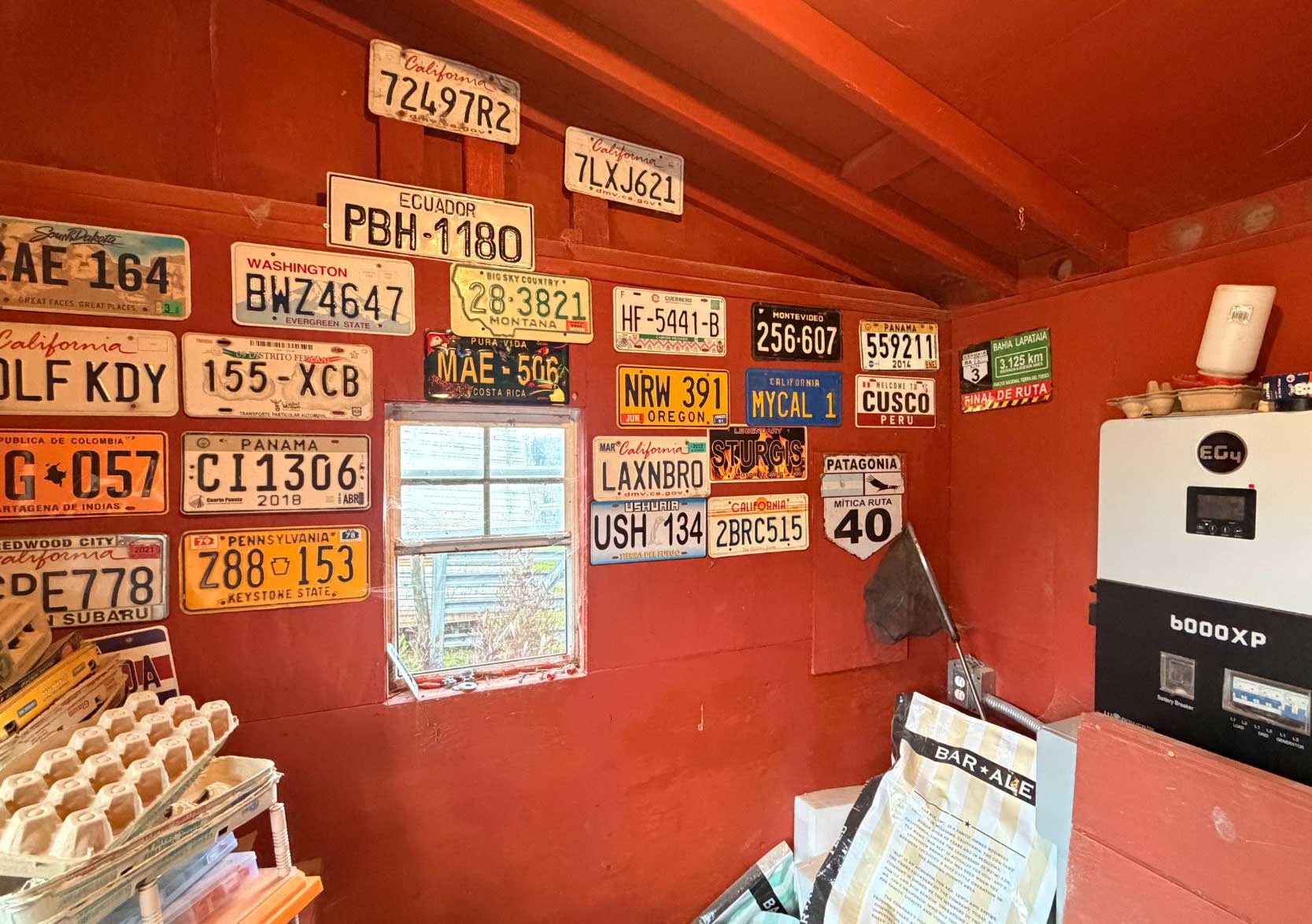
One LAXNBRO plate stayed with Stuart’s older brother. The other was mounted in the chicken coop and power system at our Petaluma property — an artifact retired, not discarded.
Stuart is older now. The parties are fewer. The nights end earlier.
But around here, Stuber still means the same thing it always did:
Someone who makes sure you get home.

Stuart is also a writer, if you interested in his short story fiction, you can follow him at https://stuartleland.com.
Archival Note
This piece records local oral history from the Petaluma and Reared in Steel community. It reflects shared memory, photographs, and lived experience — not a legal claim, just a story that deserves to stay attached to where it came from.