
Before the Window Closed
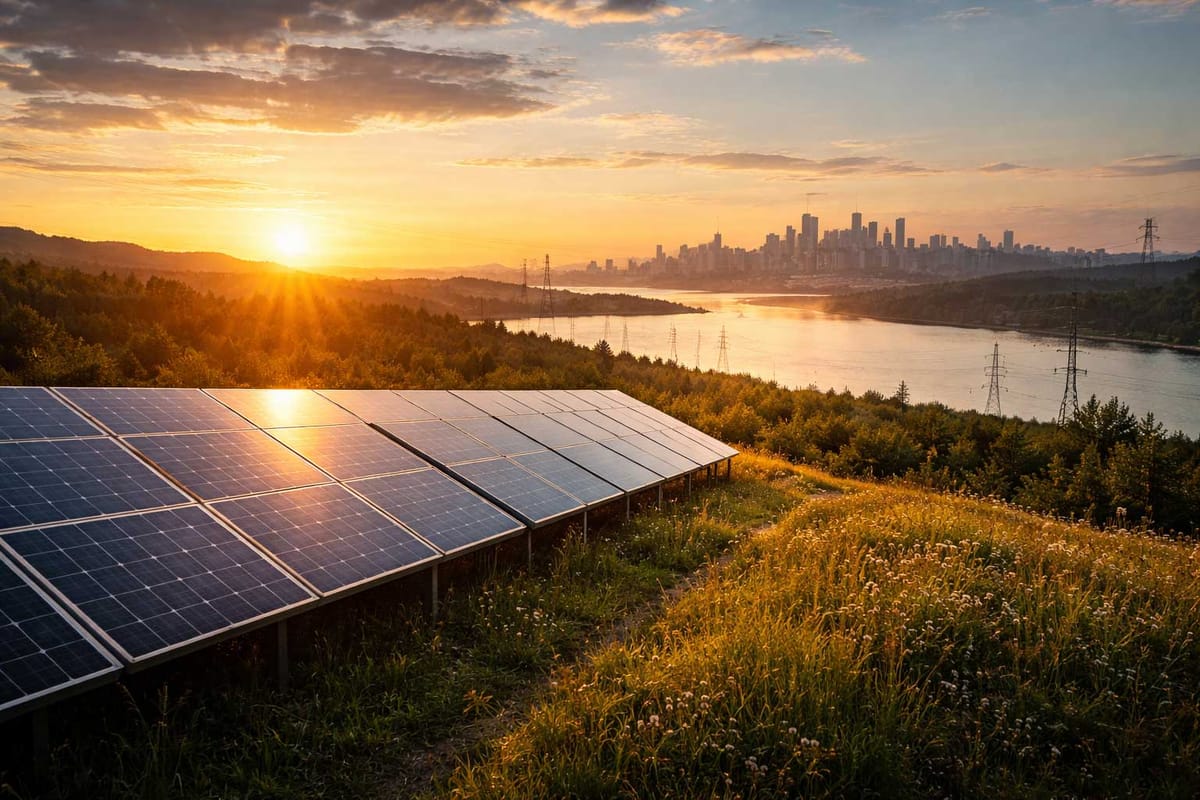
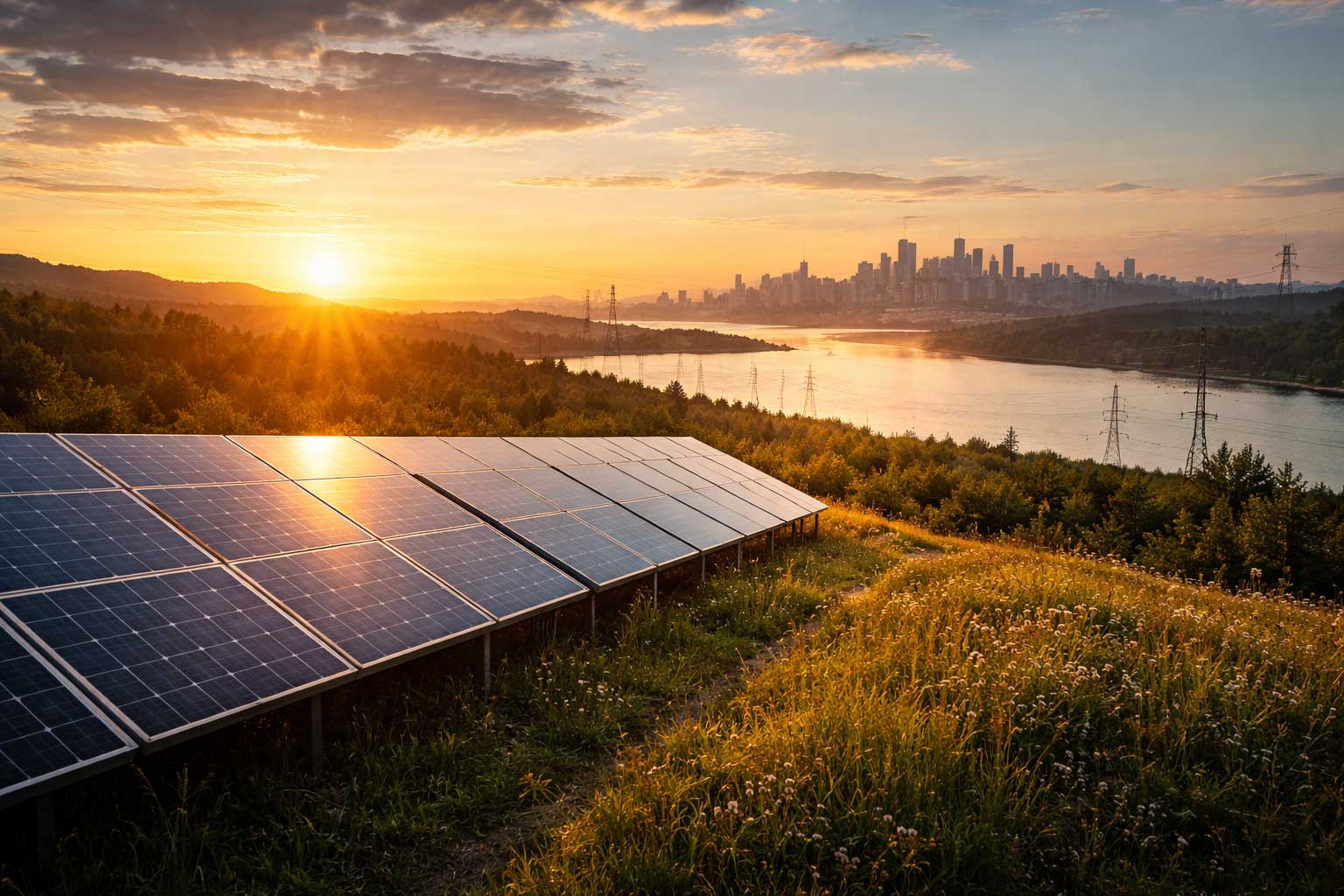
Solar panels converting sunlight into structured energy flow, illustrating the difference between raw generation and system-defined value across time.
Tinkering with Time, Tech, and Culture #49
In 2023, I filed two NEM2 agreements with PG&E.
One for my primary house. One for a small place on the lake.
At the time, I had no idea what I was doing.
I wasn't a solar installer. I hadn't built a system before. I didn't fully understand the rules, the timelines, or even the terminology.
What I did understand was that the window was closing.
Under NEM2, the grid effectively acted as a battery. Energy generated during the day could be used later with minimal penalty.
That was changing.
The newer structure didn't eliminate solar.
It changed where the value lived.
PG&E gave me a fixed window to complete both systems after filing.
That clock started ticking the moment the paperwork was accepted.
The first system went in early the next year.
The second one, the lake house, I finished just under the final deadline.
Three years sounds like a long time.
It isn't.
Not when you're learning everything from scratch.
What started as a construction project turned into something else.
At first, it was just about getting panels on a roof.
Then it became about understanding how the system actually worked.
Not just the hardware.
The utility. The permitting offices. The inspections. The timelines.
Each layer had its own logic. Its own delays. Its own constraints.
You don't just install solar.
You move through a system that decides how energy flows.
By the second install, the technical side wasn't the hard part.
The hard part was everything around it.
Coordinating with the utility. Working within the rules. Getting through county permits. Scheduling inspections. Making sure every piece lined up in the right order, at the right time.
None of it was impossible.
But none of it was optional.
Somewhere along the way, the project shifted.
It stopped being about panels.
It became about position.
The first system almost paid for itself in a year.
Not because solar is magical.
Because the pricing model it replaced wasn't aligned with the underlying reality of energy.
That was the first real signal.
The components weren't expensive.
The system built around them was.
Once you see the components clearly, it becomes harder to accept the system price at face value.
And once you've built it yourself, that gap becomes impossible to ignore.
It wasn't just a race against the NEM2 window.
It was an investment in what would come after.
Each panel wasn't just generating power.
It was locking in a future stream of kilowatt-hours, produced regardless of what they might cost later.
Not a price.
A flow.
A steady conversion of sunlight into work, measured in physics, not in dollars.
The market would price it later.
But the work itself was already real.
Somewhere in the middle of all this, I built a small off-grid system for a cabin.
No utility. No fallback. No net.
Just a battery, a charge controller, and a few panels on a hillside.
Stored energy, flowing forward.
No negotiation. No pricing model. No external system deciding what it was worth.
The energy just was. Generated, stored, used.
That's when it clicked.
The panels generate power.
The system decides what that power is worth.
And once you see that clearly, you start to realize what energy actually is.
Most people experience energy as a bill.
A number that shows up once a month. A cost to be managed.
Something external.
But energy isn't just something you use.
It's negotiated. It's time-dependent. It's constrained by rules, infrastructure, and timing.
And if you move early enough, or understand the system well enough, you can change your position inside it.
What I thought was a construction project turned out to be a positioning exercise.
The window closed.
The rules shifted.
But the energy I locked in didn't.
Energy isn't just something you use.
It's something you can control.
And what you control, you can build on.
Once you see that clearly, everything else starts to look different.